Musulmani e non.

# I musulmani? Tutt’uno. Sì, ma quale uno?

C’è chi ha sempre pensato ai musulmani come a un blocco compatto, un esercito uniforme con un’unica bandiera e un unico obiettivo: il nemico del Cristianesimo prima, del mondo occidentale poi.

Poi gli americani — con l’aiuto di Israele — tirano un bel po’ di bombe sull’Iran. E l’Iran come risponde? Bombardando chi?

Altri paesi islamici.

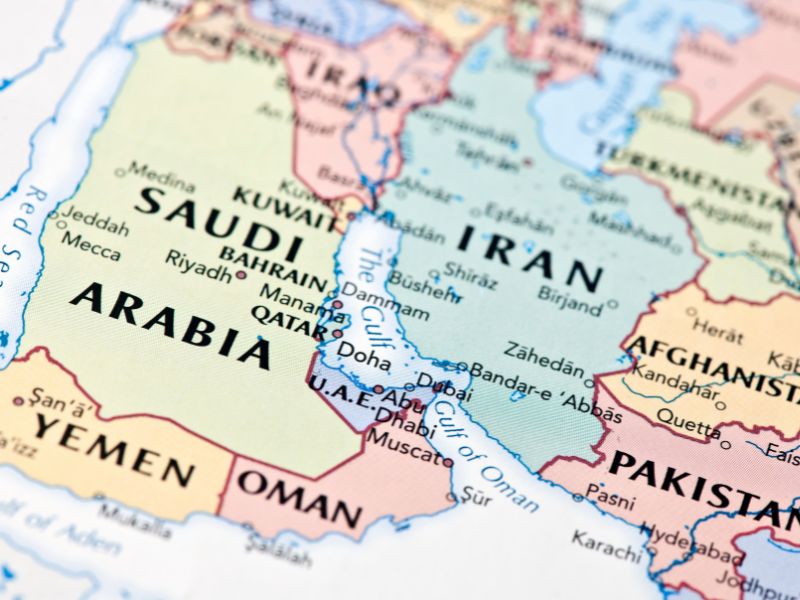
Già. L’Iran ha spedito i suoi missili su Bahrein, Emirati Arabi Uniti, Arabia Saudita, Oman, Qatar, Iraq, Giordania, Siria, Kuwait, Cipro. Paesi islamici quasi tutti. Quindi: un musulmano bombarda altri musulmani. Il famoso “blocco unico” si sta rivelando, come al solito, una gran bella semplificazione.

Il motivo è noto a chi segue queste cose, ma vale la pena ricordarlo: l’Iran (sciita) considera questi paesi del Golfo (prevalentemente sunniti) troppo vicini agli americani, troppo accondiscendenti con Israele, troppo pronti ad ospitare basi militari statunitensi. Punirli è un modo per allargare il problema, per dire al mondo: “non è solo un nostro problema, è di tutta la regione.”

Ma allora perché l’Iran bombarda anche Bahrein e Iraq, dove la maggioranza è sciita proprio come in Iran? Bella domanda. Forse perché la politica estera è più complicata della teologia.

—

## Khamenei è morto

Nel mezzo di tutto questo, è arrivata la notizia che cambia tutto: la morte di Ali Khamenei.

Trentasei anni al potere. Guida Suprema dell’Iran dal 1989, erede di Khomeini, capo politico, religioso e militare allo stesso tempo. Un uomo che controllava ogni singolo aspetto della vita pubblica iraniana: il parlamento, i giudici, i Pasdaran, i media di stato. Tutto.

Adesso non c’è più. E si apre un vuoto di potere enorme.

Chi prenderà il suo posto? L’Assemblea degli Esperti — un comitato di 88 religiosi — dovrà nominare la nuova Guida Suprema. Nel frattempo regge un consiglio provvisorio. Tra i candidati si parla di Mojtaba Khamenei, figlio del defunto — ma la successione padre-figlio è mal vista nell’establishment clericale, che ricorda di aver fatto la rivoluzione proprio per abbattere una monarchia.

Il punto però non è chi verrà scelto. Il punto è che l’Iran, già indebolito militarmente ed economicamente, si trova ora in piena crisi di successione mentre è in guerra. Non è la situazione ideale.

E c’è un dettaglio curioso, in tutto questo: nelle strade di Teheran, alla notizia della morte di Khamenei, la gente è scesa a festeggiare. Non a piangere. A festeggiare.

—

## Lo stretto di Hormuz: la zappa sui piedi

Come colpo di coda, l’Iran ha annunciato la chiusura dello Stretto di Hormuz. I Pasdaran lo hanno dichiarato “non più sicuro”. Risultato immediato: centinaia di petroliere e navi di gas liquefatto bloccate ai lati dello stretto. Colossi della logistica mondiale come Maersk costretti a deviare le rotte.

Lo Stretto di Hormuz è lungo 39 chilometri e largo tra i 33 e i 50. Le rotte di navigazione effettive sono appena 3 chilometri. Da quel corridoio passa un quinto di tutto il petrolio trasportato via mare nel mondo, e il 30% del gas naturale liquefatto globale. Ogni giorno, 20 milioni di barili di greggio.

L’effetto sui mercati è stato immediato: il Brent è schizzato da 72 a 80 dollari al barile in poche ore, con gli analisti di Barclays e Goldman Sachs che già parlano di 100 dollari se il blocco si prolunga. Il gas naturale europeo segna +36-42% in un giorno solo.

Tutto giusto. Tutto prevedibile.

Ma c’è un problema: chiudendo Hormuz, l’Iran blocca anche le sue petroliere. Il 90% delle esportazioni energetiche iraniane è diretto verso la Cina, e quasi tutto passa proprio da lì. Teheran si è sparata da sola. Si è data, appunto, la zappa sui piedi.

E noi italiani? Il Qatar è il nostro principale fornitore di gas naturale liquefatto via mare, coprendo circa il 45% delle nostre importazioni marittime. Tutto quel gas passa per Hormuz. Le bollette non ringrazieranno.

—

## La fine di Hamas e Hezbollah?

C’è un altro effetto della disfatta iraniana, meno visibile ma forse più importante.

L’Iran era il principale finanziatore e sostenitore di Hamas, Hezbollah, e dei ribelli Houthi in Yemen. Era il cuore dell’”Asse della Resistenza”. Ora, con le risorse prosciugate, la guida suprema morta, il regime in crisi di successione e le entrate petrolifere bloccate dallo stesso Stretto che voleva usare come arma, Teheran non sarà più in grado di alimentare quel sistema.

Il che potrebbe significare, nel medio termine, la fine delle ostilità in Palestina — venendo a mancare il carburante economico e militare di Hamas. E la fine delle operazioni di Hezbollah in Libano, che senza il supporto iraniano è una forza molto ridimensionata.

Non è detto che la pace arrivi in automatico. Ma il meccanismo che alimentava la guerra si sta inceppando.

—

## L’acceleratore verde che non ci aspettavamo

I prezzi saliranno, certo. Le bollette cresceranno. Ci saranno mesi difficili.

Ma c’è un effetto collaterale che potrebbe rivelarsi, nel lungo periodo, il più importante di tutti: ogni volta che il prezzo del petrolio e del gas esplode, il conto economico dell’energia pulita migliora. L’elettrico, il solare, l’eolico, il nucleare diventano improvvisamente più competitivi. Gli investimenti accelerano. Le decisioni che sembravano rinviabili diventano urgenti.

Lo abbiamo visto dopo il 2022 con la guerra in Ucraina. Lo vedremo di nuovo adesso.

La crisi di Hormuz potrebbe essere, paradossalmente, il più potente acceleratore della transizione energetica che l’Occidente abbia mai avuto. Non perché qualcuno lo abbia pianificato. Ma perché il mercato, quando viene messo con le spalle al muro, trova sempre una strada.

Stiamo vivendo un momento di grande transizione. Non solo in Medio Oriente.

—

*Paolo Federici — 2 marzo 2026*
musulmani

La classe non è AQUA!

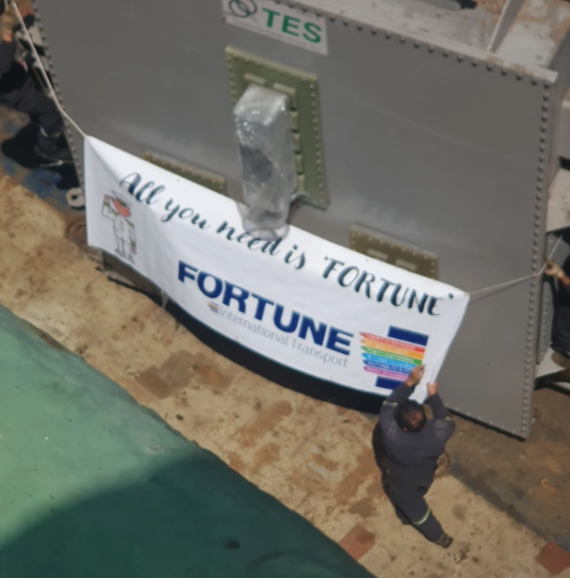
Fortune & Aqua Cooperate in Transformer Shipment to Marghera

25th May 2023

Fortune & Aqua Cooperate in Transformer Shipment to Marghera

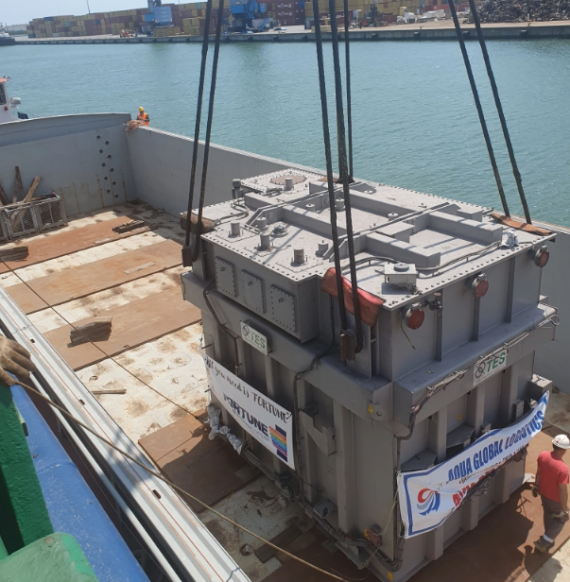
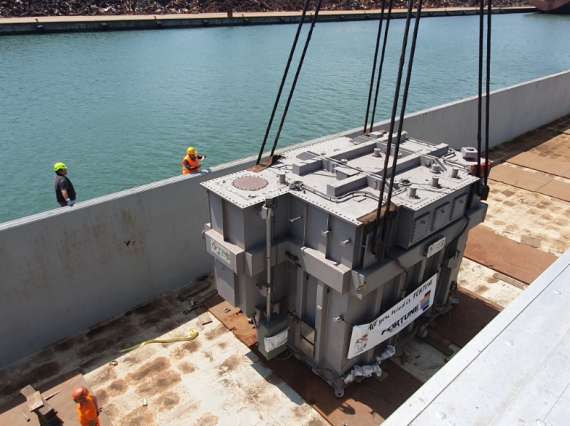
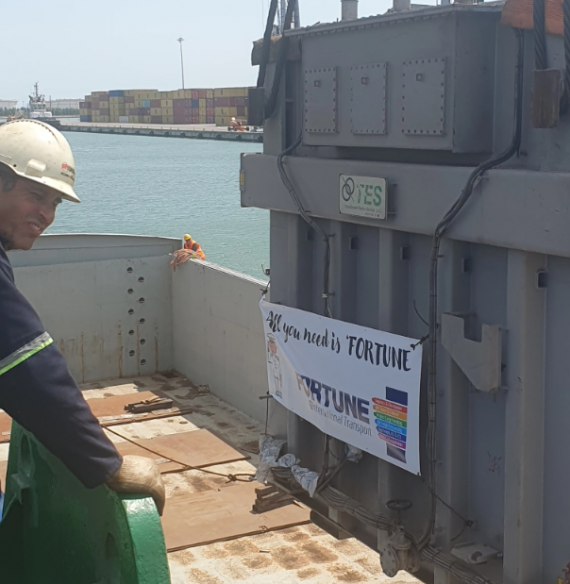
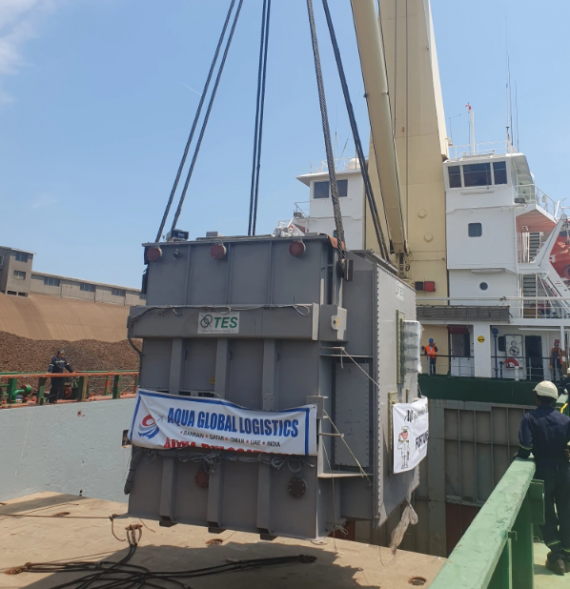
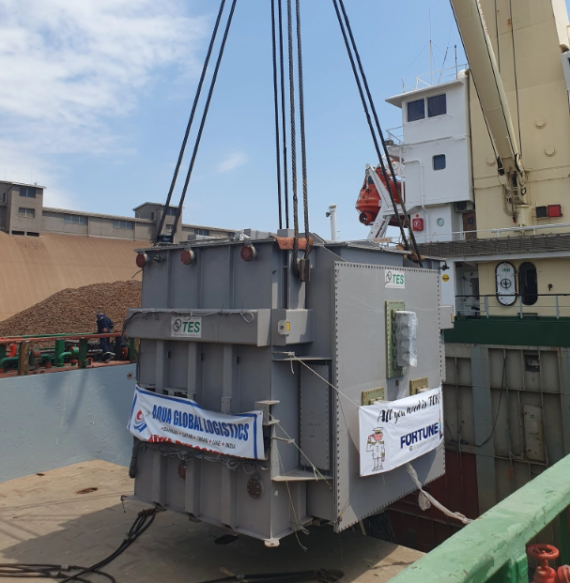
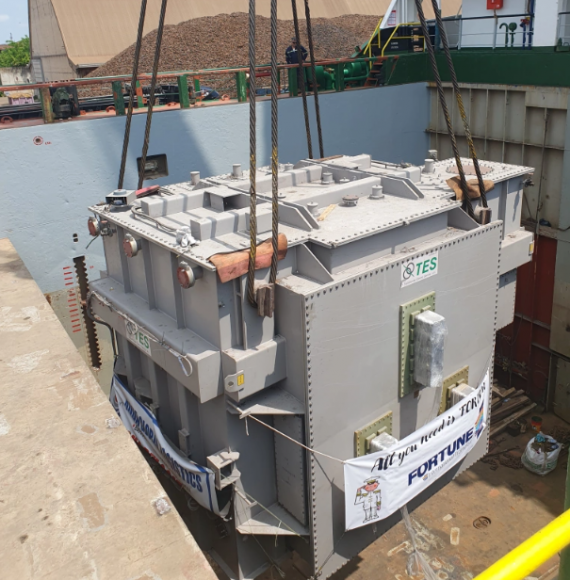
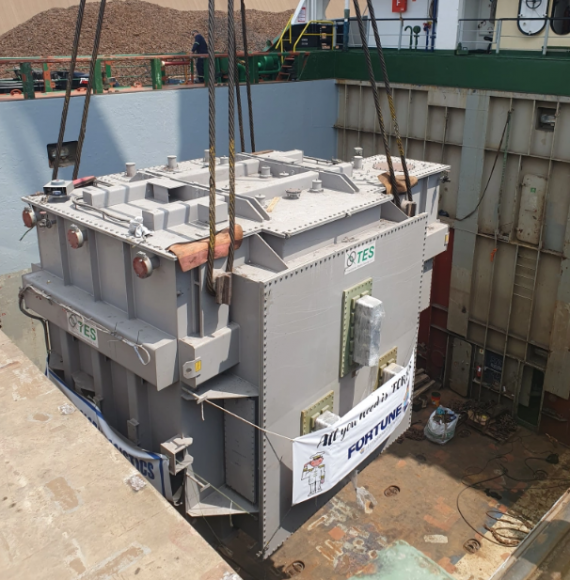
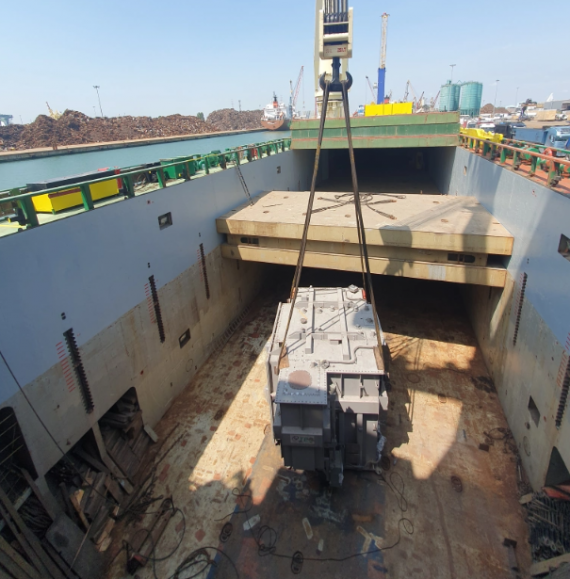
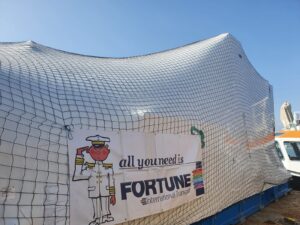
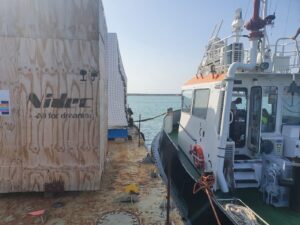
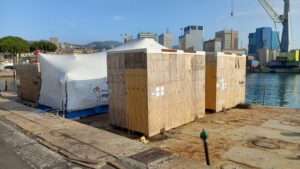
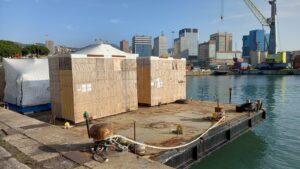
Fortune International, our members from Italy, are glad to share that they recently worked alongside fellow member Aqua Global Logistics to coordinate a transshipment.


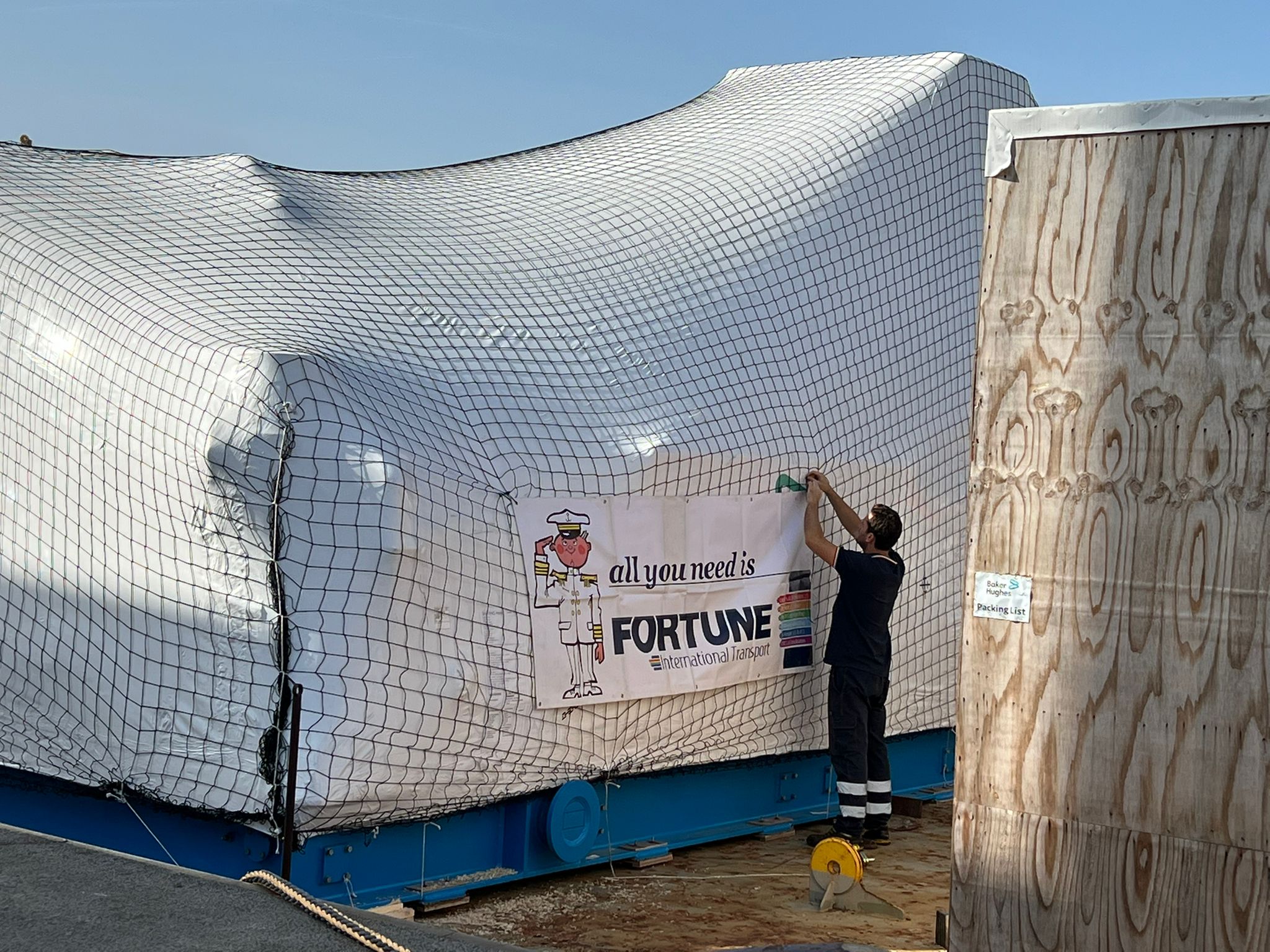
The cargo involved with this shipment included a large transformer, weighing 125 tons.

Joint operations were performed by Fortune & Aqua, loading the cargo onto a vessel for onward transportation from Sohar to Marghera.

A transshipment was performed on a river barge upon arrival in Marghera, before finally being secured on a truck to be delivered to the final address.

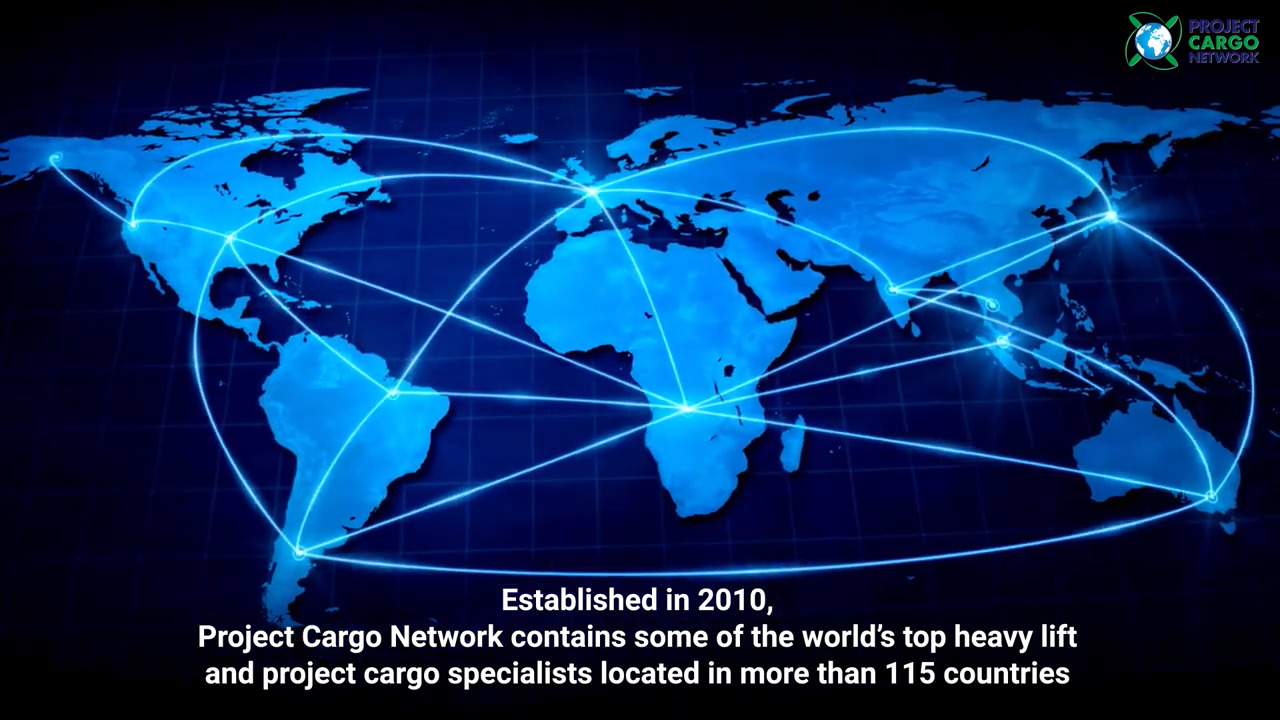
“This shipment was a perfect cooperation – proving the efficiency of the entire PCN network.”

http://www.fortuneitaly.it

http://www.aquagloballogistics.com

diamo i numeri!

segnatevi questi numeri: 130, 350 ed 800.
Il primo è il numero delle Nazioni del Mondo dove siamo presenti con il nostro Network.
Il secondo è il numero dei nostri Corrispondenti esteri.
Il terzo è il numero degli Uffici sparsi in tutto il mondo.
Se avete bisogno di portare qualche grosso impianto da una parte all’altra del mondo, noi possiamo aiutarvi.
Con 2,5 miliardi di dollari di giro d’affari e 20.000 dipendenti collegati alla nostra rete, siamo in grado di gestire il trasporto di articoli di grandi dimensioni e pesanti o spedizioni costituite da componenti complessi che devono essere smontati, spediti e quindi rimontati.
Inoltre, Fortune International è in grado di offrire la gestione del project cargo per le società di ingegneria, approvvigionamento e costruzioni che servono energia, estrazione mineraria, chimica, petrolchimica, condutture, infrastrutture e altri settori.
Queste spedizioni altamente specializzate richiedono una pianificazione individuale del trasporto dall’origine alla destinazione.
L’attuale tendenza mondiale per l’energia verde e il sostanziale investimento nella tecnologia dell’energia pulita sta fornendo un rapido aumento delle opportunità di business per gli specialisti del project cargo che hanno le capacità richieste nella gestione della catena di fornitura di impianti e attrezzature di grandi dimensioni, ad esempio turbine eoliche.
Poiché la maggior parte degli uffici del nostro network è gestita da società indipendenti di proprietà privata, possono concentrarsi al 100% sulla fornitura di un servizio personalizzato su misura per le esigenze del cliente.
Alcune compagnie di trasporto multinazionali sono limitate da politiche e procedure inflessibili.
Fortune International e i suoi colleghi membri del network possono invece soddisfare richieste specifiche e prendere decisioni rapide ed efficai per ogni singola spedizione.

Write down these numbers: 130, 350 and 800.
The first is the number of Countries in the world where we are present with our network.
The second is the number of our Foreign Correspondents.
The third is the number of offices spread throughout the world.
If you need to transport some large plant from one part of the world to another, we can help you.
With $2.5 billion in revenue and 20,000 employees connected to our network, we can handle the transportation of oversized, heavy items or shipments that consist of complex components that need to be disassembled, shipped, and then reassembled.
Additionally, Fortune International is able to offer project cargo management for engineering, procurement and construction companies serving energy, mining, chemical, petrochemical, pipeline, infrastructure and other industries.
These highly specialized shipments require individual transportation planning from origin to destination.
The current worldwide trend for green energy and substantial investment in clean energy technology is providing a rapid increase in business opportunities for project cargo specialists who have the required capabilities in plant and equipment supply chain management large ones, such as wind turbines.
As most of the offices in our network are managed by privately owned independent companies, they can focus 100% on providing a personalized service tailored to the client’s needs.
Some multinational transportation companies are limited by inflexible policies and procedures.
Fortune International and its fellow network members can instead meet specific requests and make quick and effective decisions for each individual shipment.

Circumnavigating Africa

nowadays, thanks to technology, it is possible to manage international transport from the comfort of your home.
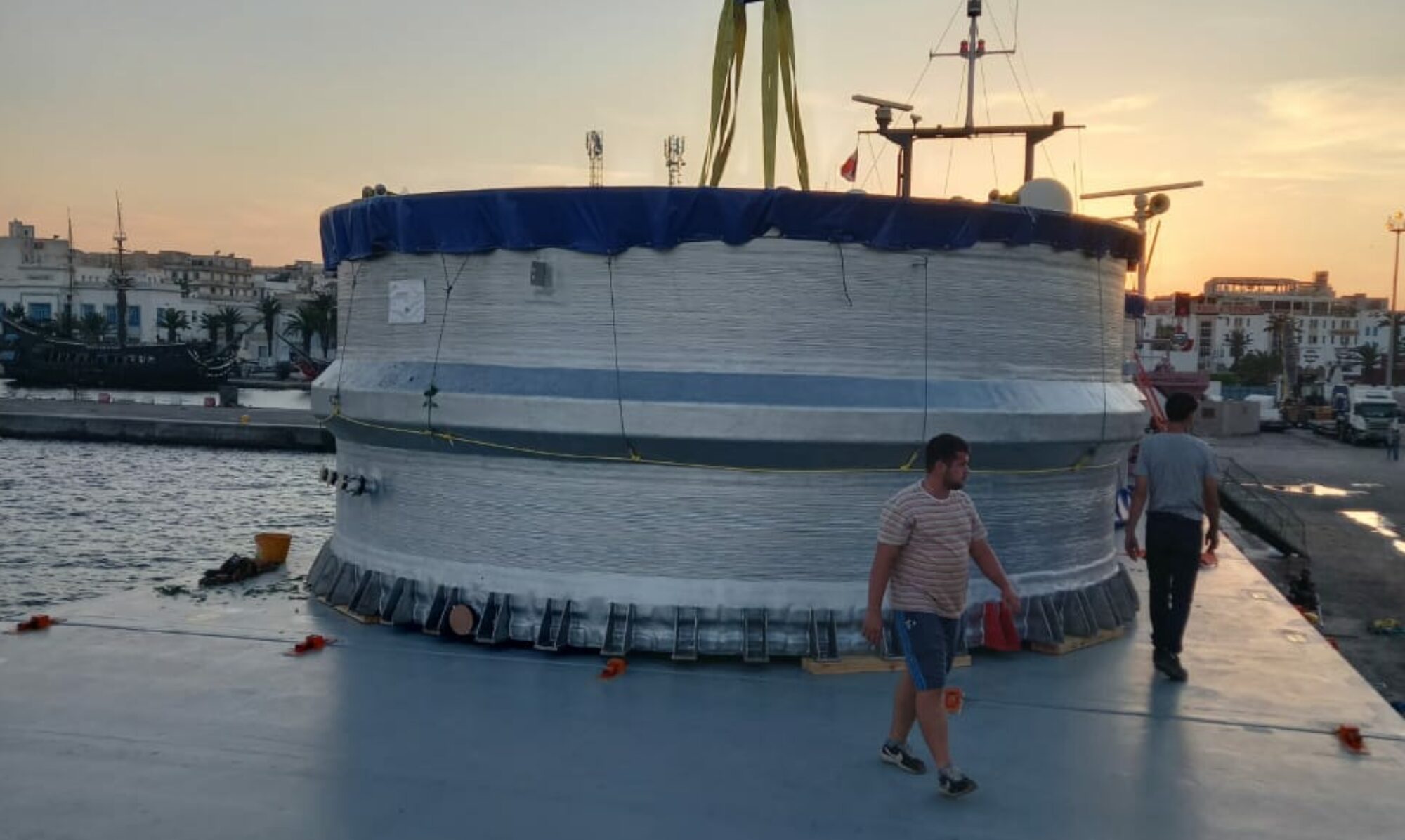
This is an example: from its office in Segrate, FORTUNE International Transport was able to coordinate the transport of a large plant built in Tunisia and destined for the Ivory Coast.
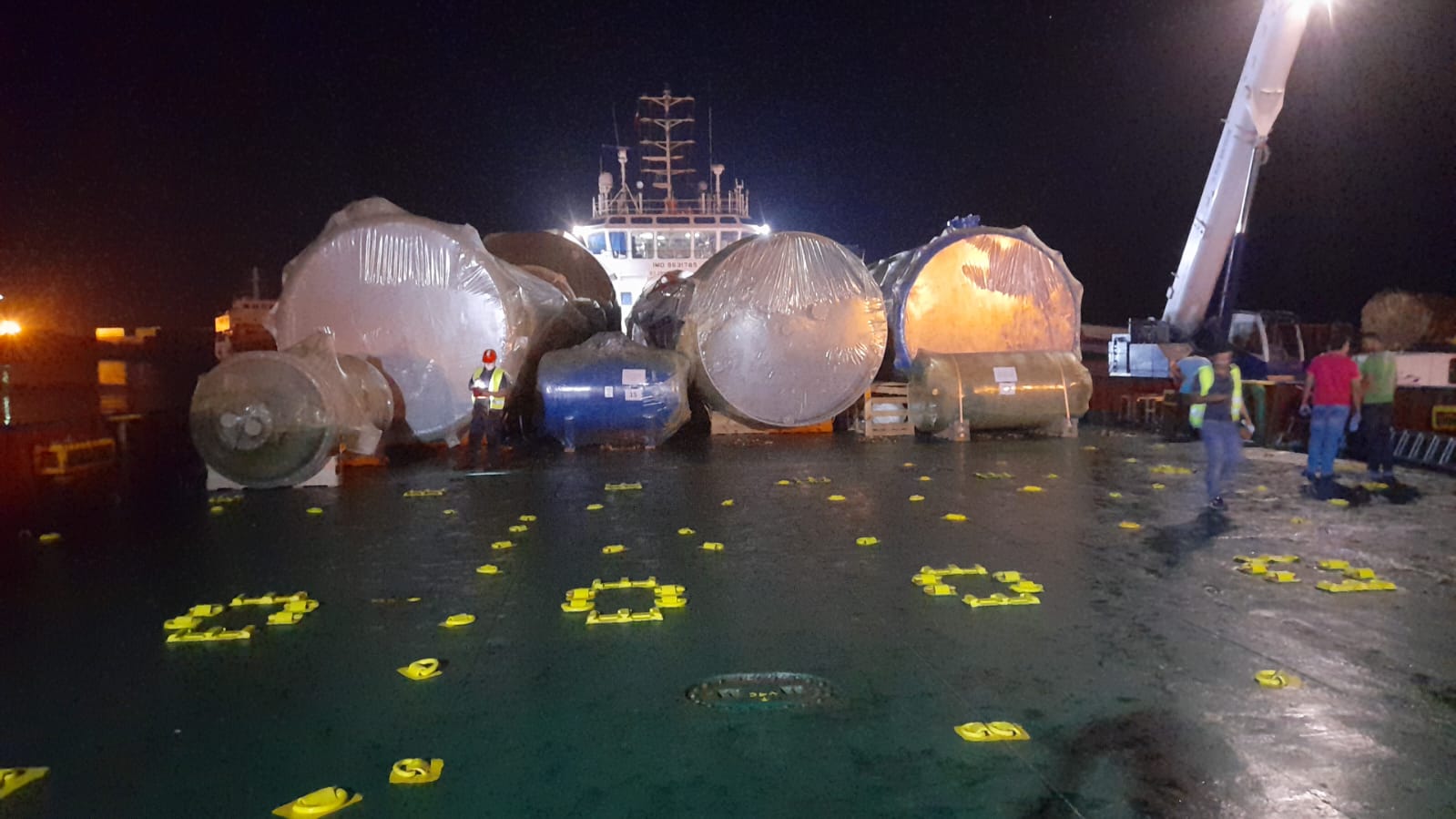
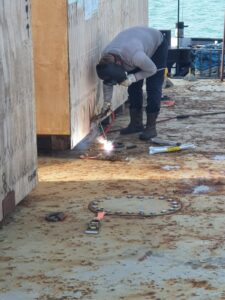
With a simple smartphone it was possible to follow the transport from the factory to the port of Sousse (at night, as it was exceptional transport as most of the packages were decidedly out of shape), check the progress of the boarding (the port survejor continued to send photographs throughout the day and the following night … until boarding is complete. But also by filming the lashing and welding operations to ensure maximum safety during navigation).
The ship is followed daily and upon arrival in Abidjan the landing control operations will be repeated.
Then with other special trucks, all the material will be delivered to the area where the plant will be assembled.
Another piece adds to the collection of special transports for which FORTUNE International Transport is increasingly at the forefront.
Of course, it took years to create a network of expert and reliable agents around the world, but today, the rewards are finally reaping.
Filed this work, the FORTUNE International Transport operatives are already working to manage other plants to be moved from one part of the globe to another.
After all, the reason for success is in doing a job that you like: and at FORTUNE International Transport they do their utmost to guarantee a first-class service.
In a world that too often looks only at the price (whoever makes the lowest price wins!) There are still those who believe in quality: FORTUNE International Transport, in this, is at the top.

The solution

the problem: we have a huge case (almost 6 meters high) that weighs almost 80 tons … at the factory, in Massa Carrara. Then we have the ship (which should load it to take it to the Far East) in Genoa.

The ship cannot move to the port of Marina di Carrara (the only port reachable by road with those measures and weights) and the goods cannot be transported by truck to Genoa (because bridges and tunnels prevent it)

In short, if the mountain does not go to Muhammad …

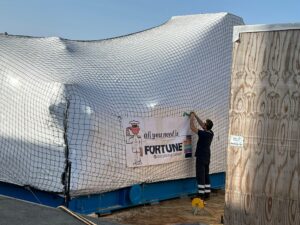
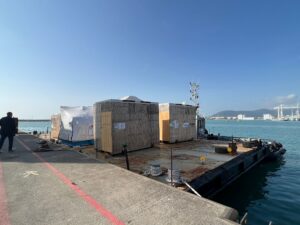
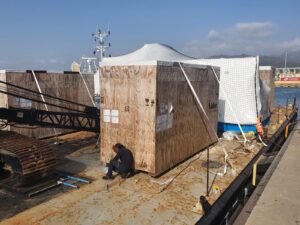
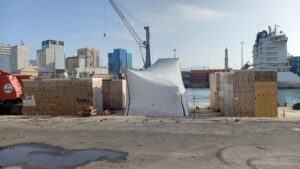
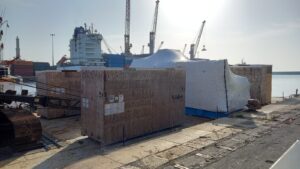
We will take that box (and some others with oversized measurements) from Marina di Carrara to Genoa … by sea.

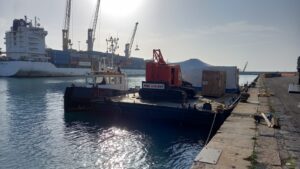
A barge (measuring 30 meters by 10), towed by a tugboat, lands at the port of Marina di Carrara.

The crates are loaded onto the barge, tied tightly, even welds are made (complete with the intervention of the Port Chemist) and within one night the entire batch of goods is transferred to Genoa.

In Genoa, the barge is moored in the same quay where the ocean-going ship on which we have already booked the space will operate and the deadlines will be fully respected.

The photos?

Here they are …

At Marina di Carrara… loading

At Genoa, discharging…

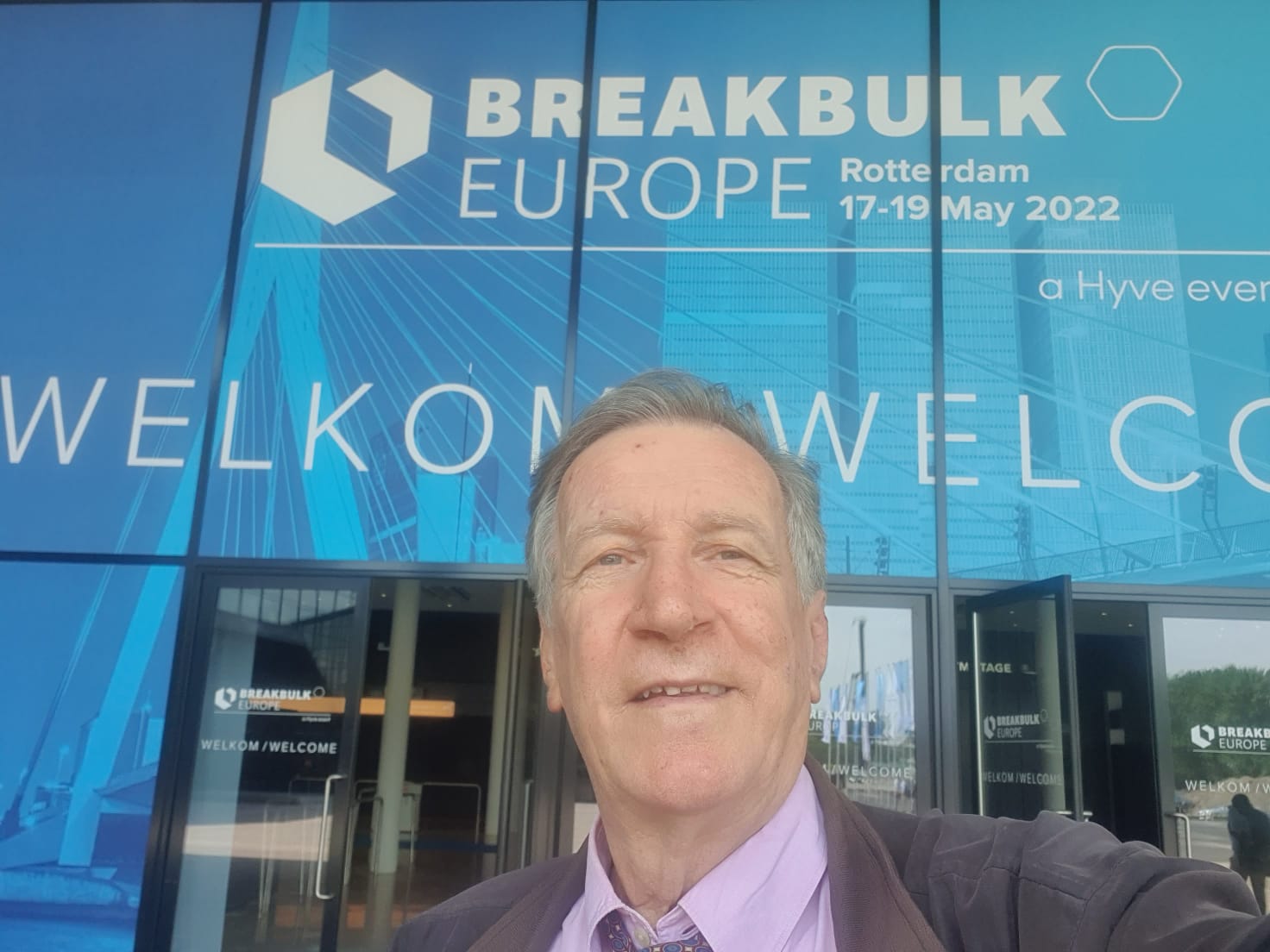
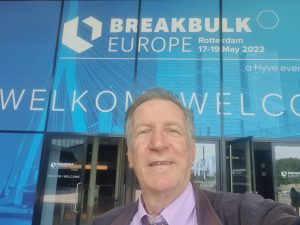
Break Bulk Europe – Rotterdam 2022

Let’s start again, sang Adriano Pappalardo (an old Italian singer…!).

And finally what we’ve been waiting for for more than two years has come true.

The Breakbulk Europe fair, after being canceled for two consecutive years, finally took place, in Rotterdam.

How nice to meet friends and colleagues again: it’s true, we never stopped talking and writing to each other, maybe there was even some virtual meeting via Zoom, but the importance of a handshake, a pat on the back , of a voice that emerges from the background noise to call your name are old and new sensations at the same time, but certainly beautiful.

Old because they were the norm and new because after two years the memory was almost lost.

The participation was truly impressive, the stands recreated the atmosphere of those who, like us, feel part of an “elite”.

Planet earth has resumed its journey into space and normality has been regained.

Now we just have to hope that another normalcy will be restored thanks to what we all want: the end of the war.

The appointment for next year has already been made: we will meet again, again in Rotterdam, in early June.

Looking forward to seeing you again.

Paolo Federici