
the seafreight for containers shipments has been increased ten times?
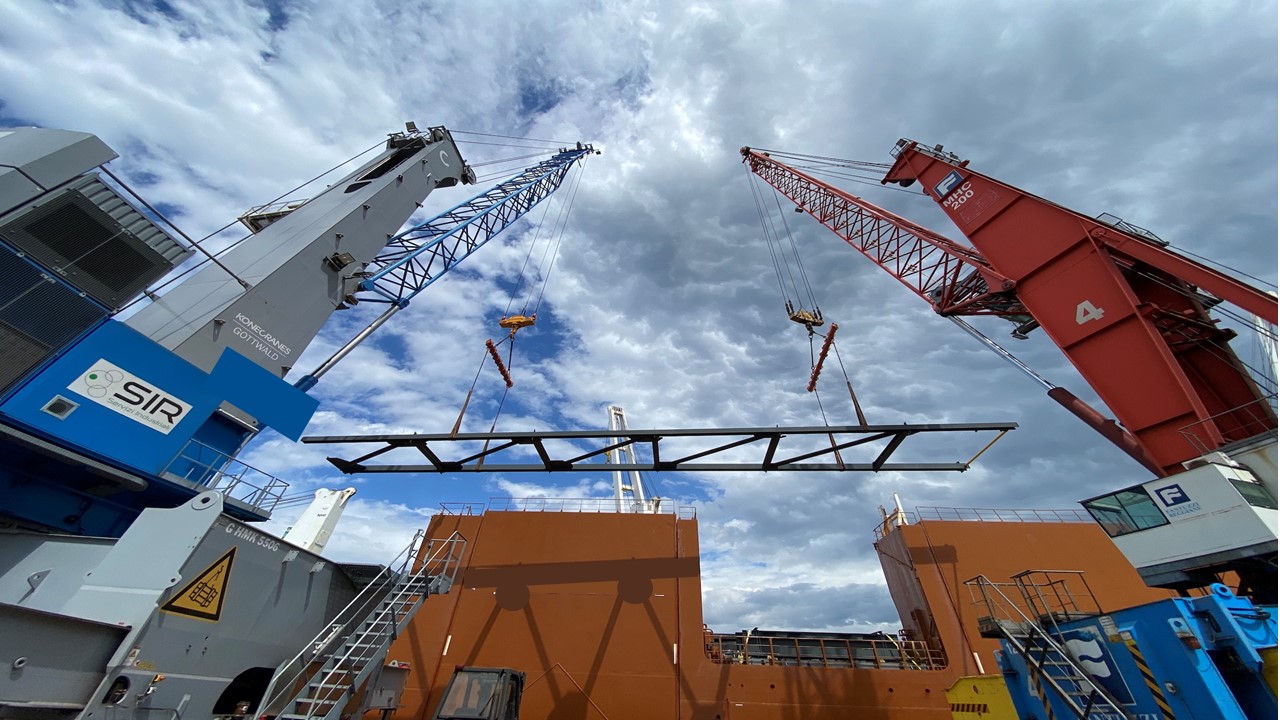
That’s good for break-bulk vessels, now again on the stage:


When containers lines are cheating you… your forwarder is always on your side!
Don’t forget that he’s the one helping you to get solutions.
A long story made short:
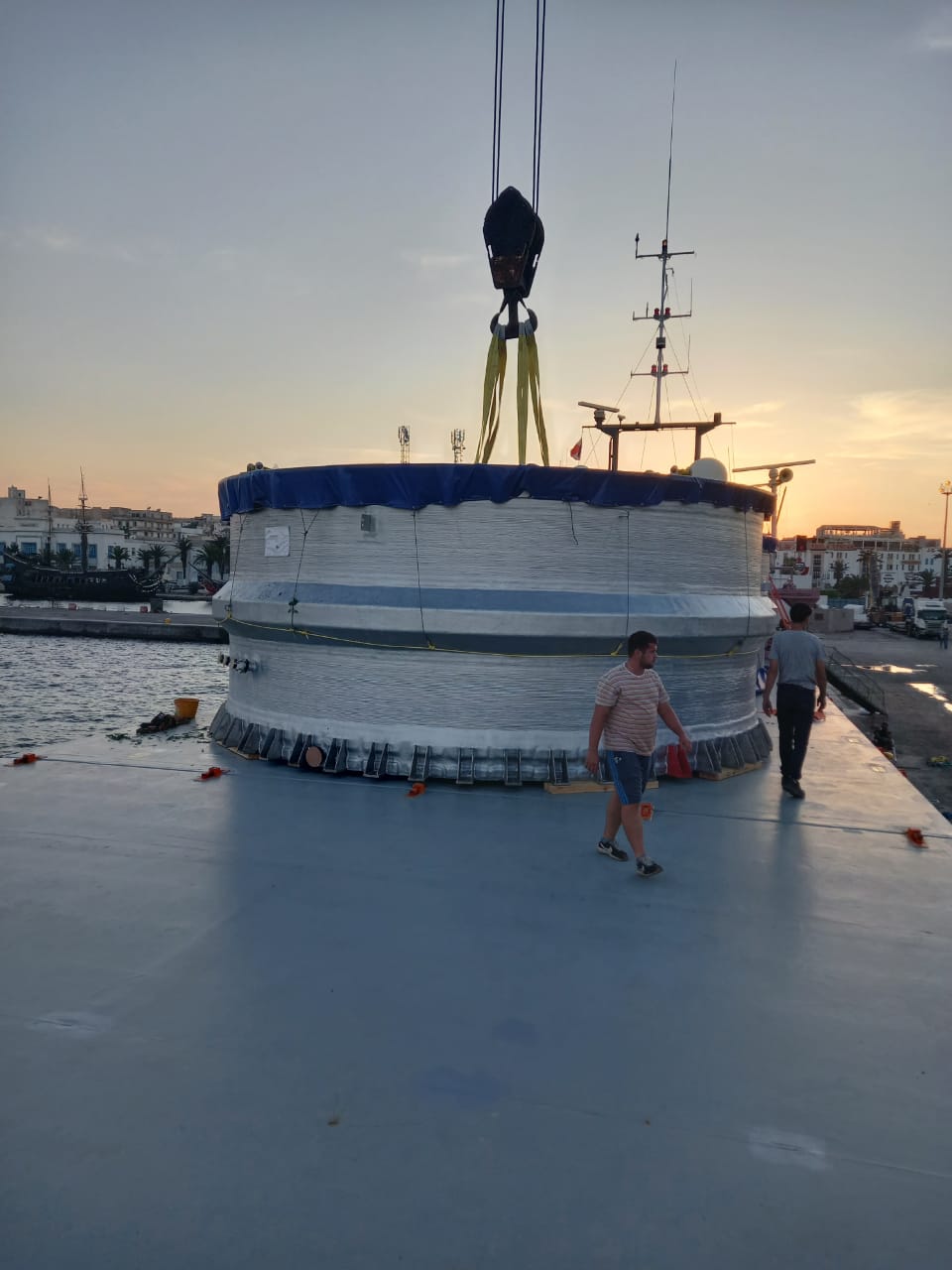
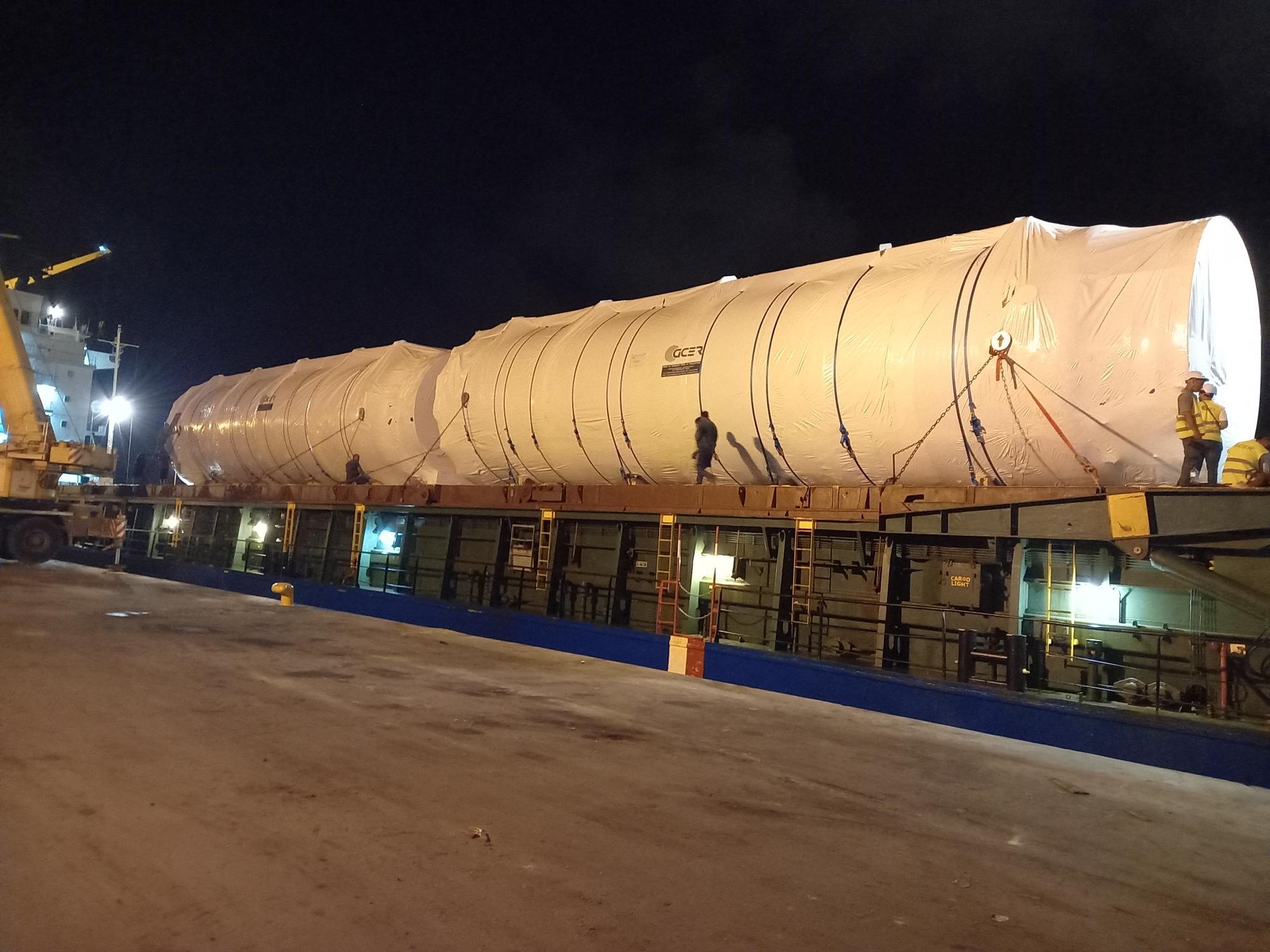
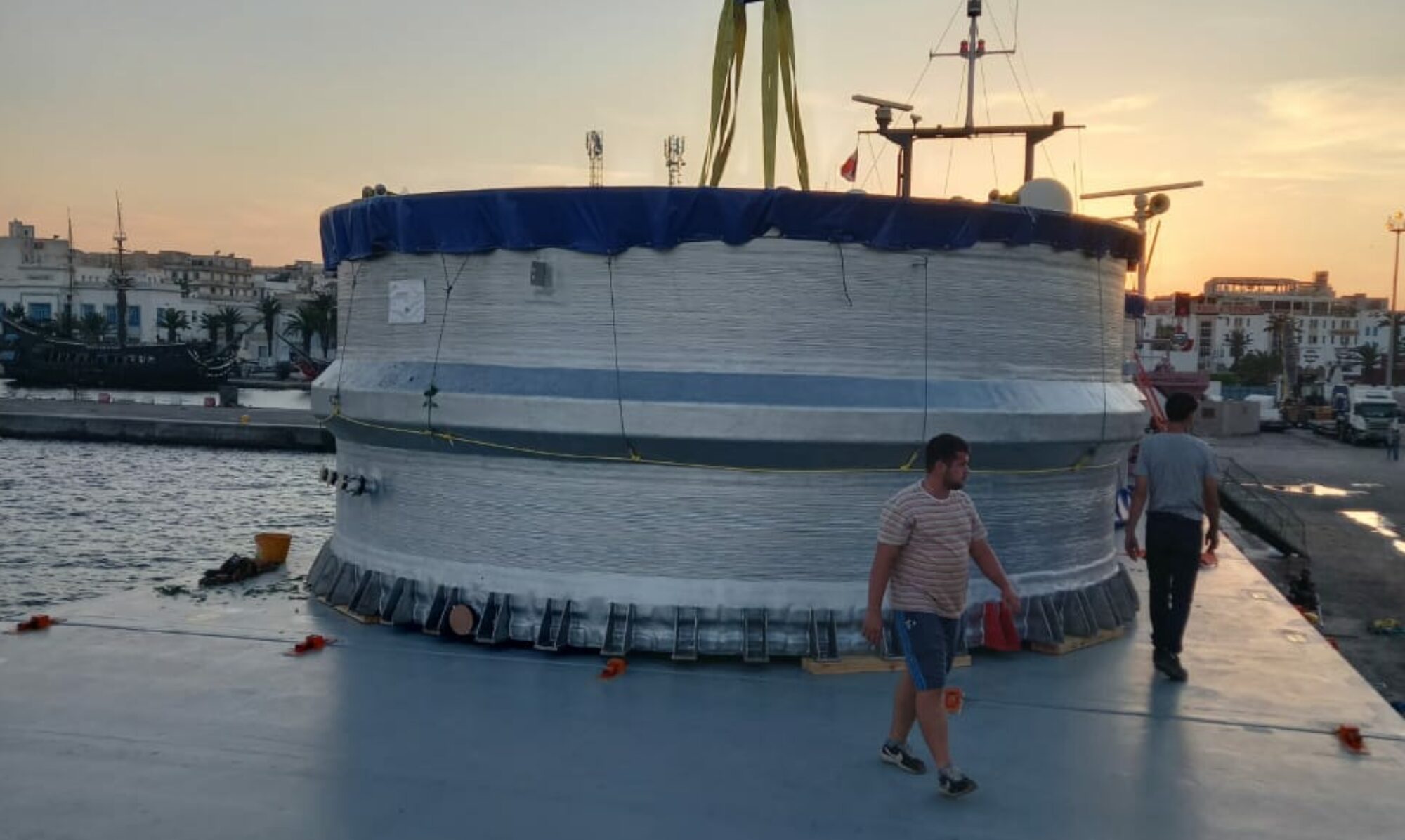
with the advent of containers, as we well know, the way of shipping shipping has changed: it was enough to adapt the goods to the capacity of the containers, even saving on packaging (for many products, it was no longer necessary to prepare the crates: the “Crate” is now represented by the container itself). We therefore have huge cases (containers, in fact) all the same and easily loaded in the hold of a ship, stacking them on top of each other. Obviously there are goods that cannot be “containerized”, so the market for “break-bulk” ships (those that load various goods in the holds!) has remained active anyway. Let’s get to the mathematics: the freight from China to Italy for a container carrying 20 tons of weight had, until just over a year ago, a cost of about 1,500 dollars. Today it takes $ 15,000 to transport that same container, an increase of 1,000 percent. Let’s count as we were taught in elementary school: if a freight costs 1,500 dollars for a container and the capacity is 20 tons, how much does that transport cost per ton? Easy, right? This is $ 75 a ton. But as the freight increased to $ 15,000, the cost per tonne went up to $ 750! So? Various goods that arrived in containers are now handled with break-bulk ships.The freight of the break-bulk is around 300 dollars a ton. Four times more than the “old” freight of containers. But less than half compared to the “new” freight of containers. Of course, one cannot think of loading only 100 or 200 tons in break-bulk, but for those who have to transport a few thousand tons … the convenience is there, for sure! Let’s go back to elementary calculus? If you have to bring 10,000 tons from China to Italy, until a year ago you were paying $ 750,000. Today you should pay (choosing the container transport!) 7.5 million! With the break-bulk service you get by with only … 3 million (and maybe less!) The “plan b” choice is to stop buying from Countries so far away and go back to producing in Italy or to decide to buy from European companies. In short, have the shipping companies (full containers) increased the freight rates bringing them to such absurdly high levels? Well, there is a way to defend ourselves, at least in part, and return to positively affect the market. Another assessment to be made is this: lately some Shipping Companies (full container) intend to by-pass the shippers and offer their services directly to exporters / importers. But if an exporter relies on the freight forwarder, he can count on a range of solutions with different shipping companies. And if a thousand exporters rely on a single forwarder, that forwarder will be able to have greater contractual strength by putting millions of containers on the scales … than the single exporter who may have only ten containers to ship. In conclusion: long life to freight forwarders (who should be seen as the lawyers who protect exporters and importers against the excessive power of certain shipping companies) because no shipping company (full container) will ever propose any solution to an exporter/importer really alternative such as break-bulk or boarding with another shipping company, its competitor. Think people, think! Before looking at the minimum advantage of by-passing the forwarder avoiding that these earn a minimum commission, try to think about the real risks that you will have to face by talking to some monopoly Shipping Company! Finally: when you have a legal problem, do you rely on a trusted lawyer? When you have a health problem, do you go to your doctor? When you have a problem with taxes, budgets, declarations … do you rely on your trusted accountant? Why, on the other hand, when you have an international transport problem, do you continue to choose the forwarder only on the basis of “who does less, wins” and maybe you can’t wait to talk directly with the shipping companies?
Paolo Federici



 Reload document
 Open in new tab